
Consumer AI harmsFramework
Consumer AI Harms Taxonomy
Mapping the digital ways AI‑enabled mechanisms can make consumers worse off.
Human-centered research for the AI age
We study people and technology as they actually interact, exploring the messy realities of trust, deception, and online resilience in the AI era.

VP, Research
An engineering leader with extensive experience in turning novel ideas and complex technologies into practical internet systems and organizations. Her multidisciplinary career spans shipping high-tech hardware and software for commercial start-ups and non-profits, as well as research at the University of Cambridge into trustworthy technologies and responsible machine learning.

Senior User Researcher
A Doctor of Science in Technology and a visiting researcher at Aalto University, specializing in security, privacy, and human-computer interaction. Her work examines usable security and privacy challenges across different technologies and has been published in top academic venues and featured in international media.
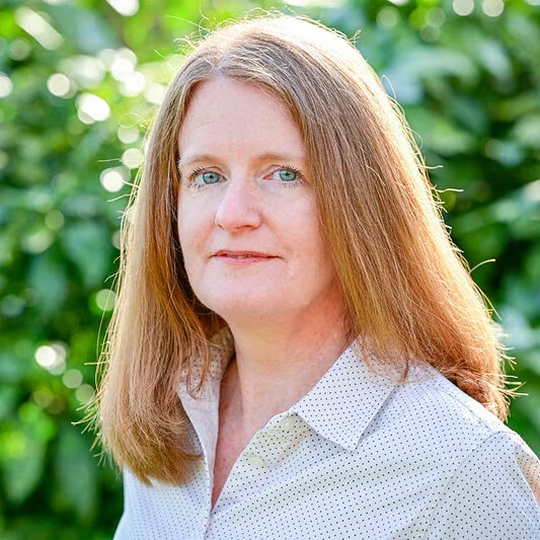
Principal Threat Intelligence Researcher
A researcher in cyber threat intelligence and the author of two books on data cleaning and data mining, plus over 40 peer-reviewed articles and book chapters, including several Best Paper awards for her work tracking illicit financing and threat actor networks. Her research has been featured in WIRED, The New York Times, the BBC, and PBS-Frontline.

Head of Threat Intelligence
Laura has worked in the cyber security industry for a decade, specializing in offensive security and ethical hacking. She featured as a professional hacker on Team Whack, a TV series for Finnish broadcaster Yle exploring how almost anything can be hacked. She is passionate about making complex cyber security issues accessible to consumers by cutting through technical jargon.
Survey
A consumer survey exploring how people use AI assistants, navigating distrust and usefulness.
Read the findings

Taxonomy
Mapping the digital ways AI-enabled mechanisms can make consumers worse off.
Browse the taxonomyReference
A detailed guide to the different types of scams — online criminal deception for financial gain — targeting consumers and households.
Open the encyclopedia
Benchmark
An open-source benchmark measuring whether AI assistants proactively warn users about scams.
Read the reportCheck out the benchmark codeExplore the results